
The project involved developing a 2D platformer game with a unique protagonist and engaging mechanics. The aim was to create a side-scrolling experience that honored traditional platformer principles while adding fresh gameplay elements. All components—character, environment, enemies, obstacles, and UI—had to form a cohesive and enjoyable experience. The game required intuitive controls, interactive features, and appealing level design for children and cozy gamers. The goal was to produce a three-minute playable level with enough variety to keep players engaged, focusing on balanced difficulty and a smooth, accessible flow.

To create a cozy, non-violent 2D platformer providing a relaxing yet engaging experience for children and cozy gamers.
To create a vibrant, nature-inspired game world with varied environments and non-violent gameplay elements.
Ensure the game is playable for at least three minutes with steady progression and difficulty that keeps players engaged.
"Piwi the Plant Doctor" will be refined to enhance core mechanics, including environment design, character movement, and the user interface, ensuring a smoother and more intuitive gameplay experience. The game, designed for cozy gamers and children aged five and up, will offer a relaxing, non-violent adventure where players help Piwi, a Kiwi bird, collect ingredients to cure plant illnesses. By balancing simplicity with engaging gameplay, the game will provide a fun, accessible experience, strengthening its appeal and relevance in the indie game market.
Piwi, the plant doctor and dedicated protagonist, is on a mission to help plants recover from various sicknesses and harmful fungi. As a skilled and compassionate Kiwi bird, Piwi's expertise lies in creating unique remedies using carefully chosen natural ingredients. To do this, he embarks on thrilling journeys across multiple diverse platforms, each filled with unique challenges and obstacles. From dangerous forests to dark caves, Piwi traverses these environments to gather rare herbs, minerals, and magical crystals essential for his patented cures. With each level, he faces new difficulties that test his agility, problem-solving skills, and unwavering dedication to protecting the plant world. Through his adventures, Piwi brings hope and healing to every corner of the natural world.
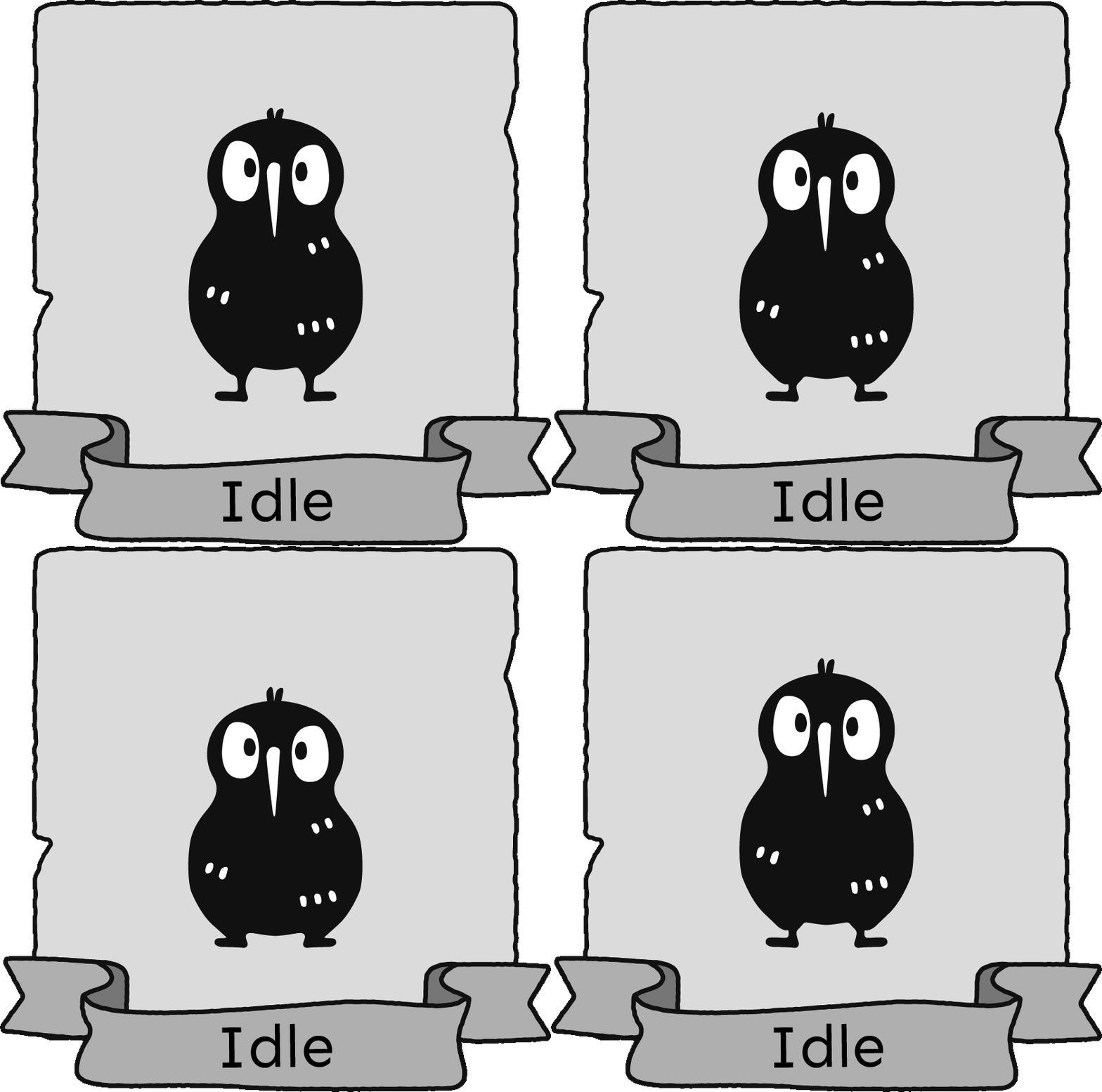

The "idle" animation is used to show the main character or an enemy in a stationary but active state when no input is being given by the player. This animation brings life and realism to the character by depicting subtle movements like breathing, shifting weight, or small gestures, ensuring that the character feels dynamic and responsive even when standing still.
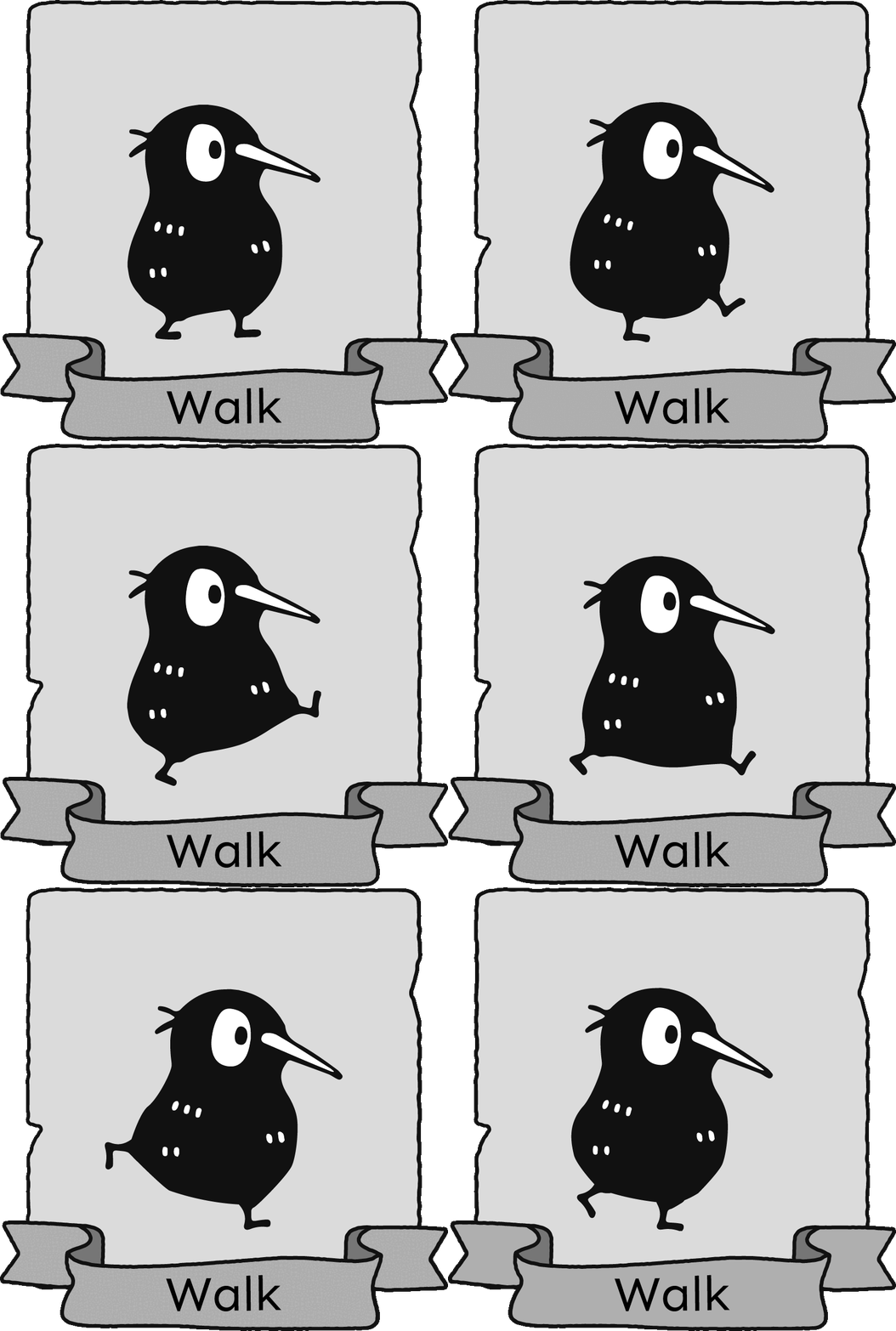

The "walk" animation is used to illustrate the movement of the main character or an enemy as they traverse the game environment at a standard pace. This animation cycle typically involves a sequence of frames that show the character's arms and legs moving in coordination, simulating the natural gait of walking.
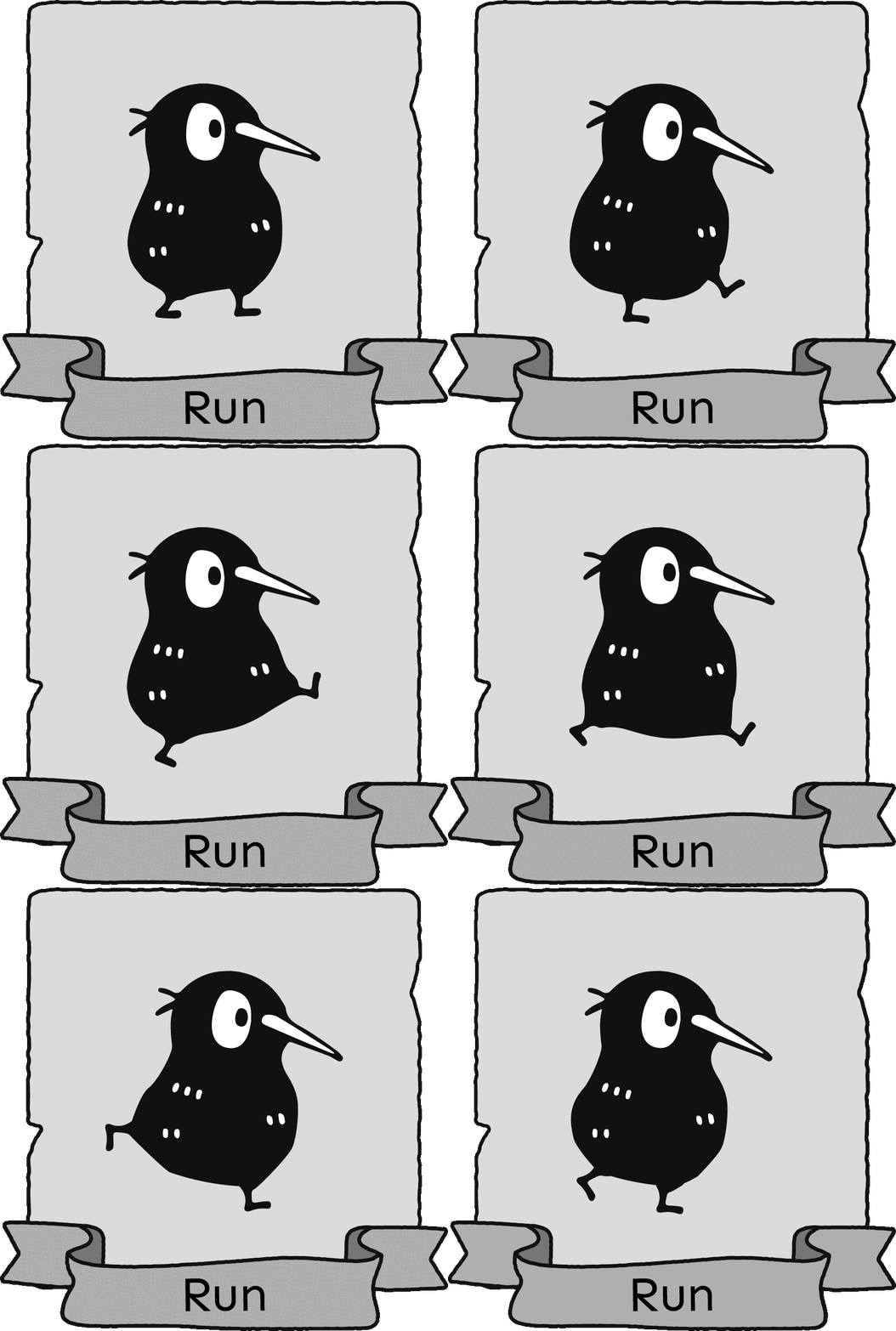
The "run" animation is used to depict the character moving quickly across the game environment, usually at a faster pace than the walk animation. This sequence involves more dynamic and energetic motions, with exaggerated leg and arm movements that convey speed and urgency. The "run" animation is essential for gameplay scenarios where rapid movement is necessary, such as dodging obstacles, escaping enemies, or quickly covering large distances.
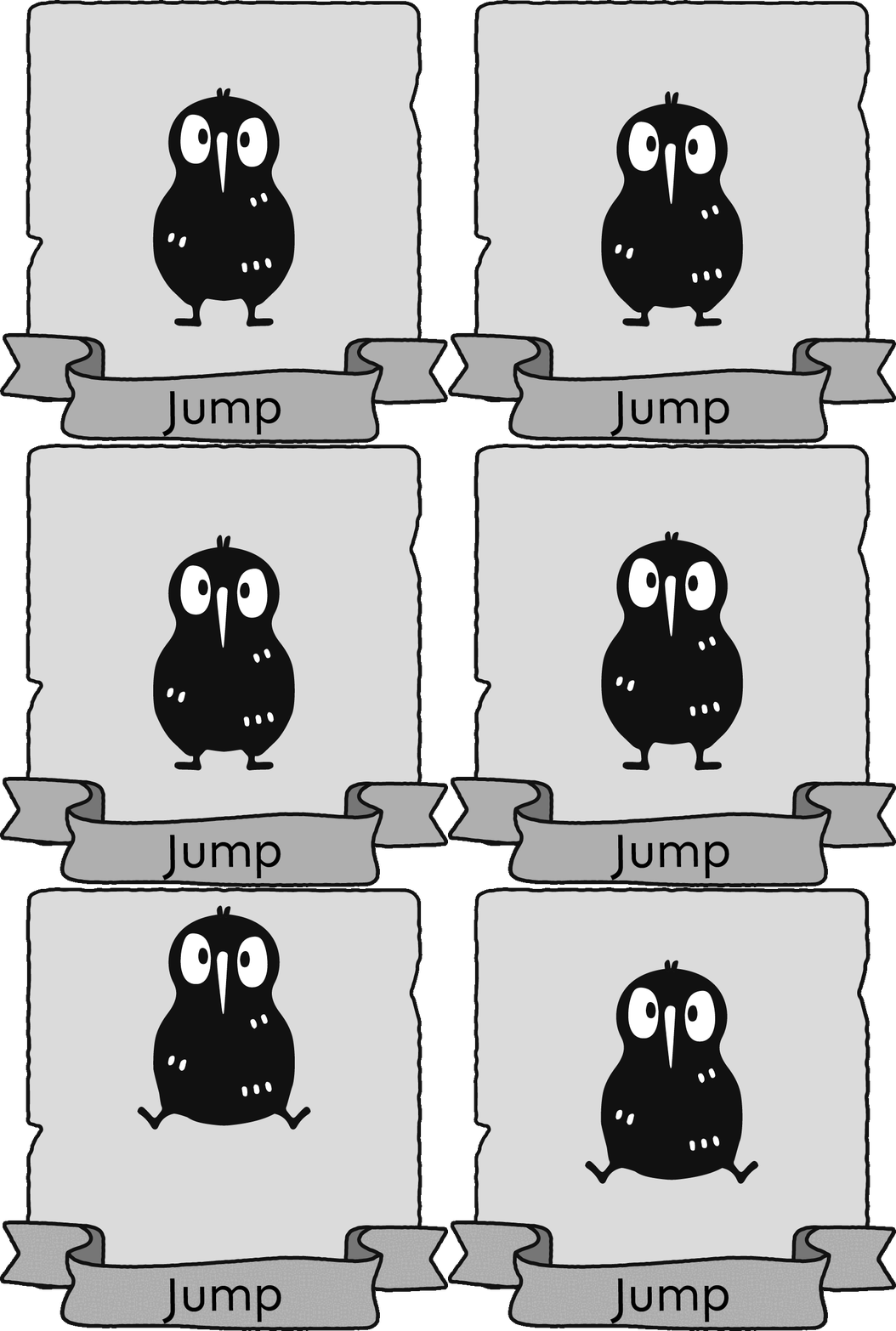

The "jump" animation is used to show the character as they propel themselves off the ground and move through the air, a common action in platform and adventure games. This animation typically consists of several stages: the initial crouch or squat to build momentum, the upward motion as the character pushes off the ground, a mid-air phase where they may reach a peak or perform specific poses, and finally, the landing.
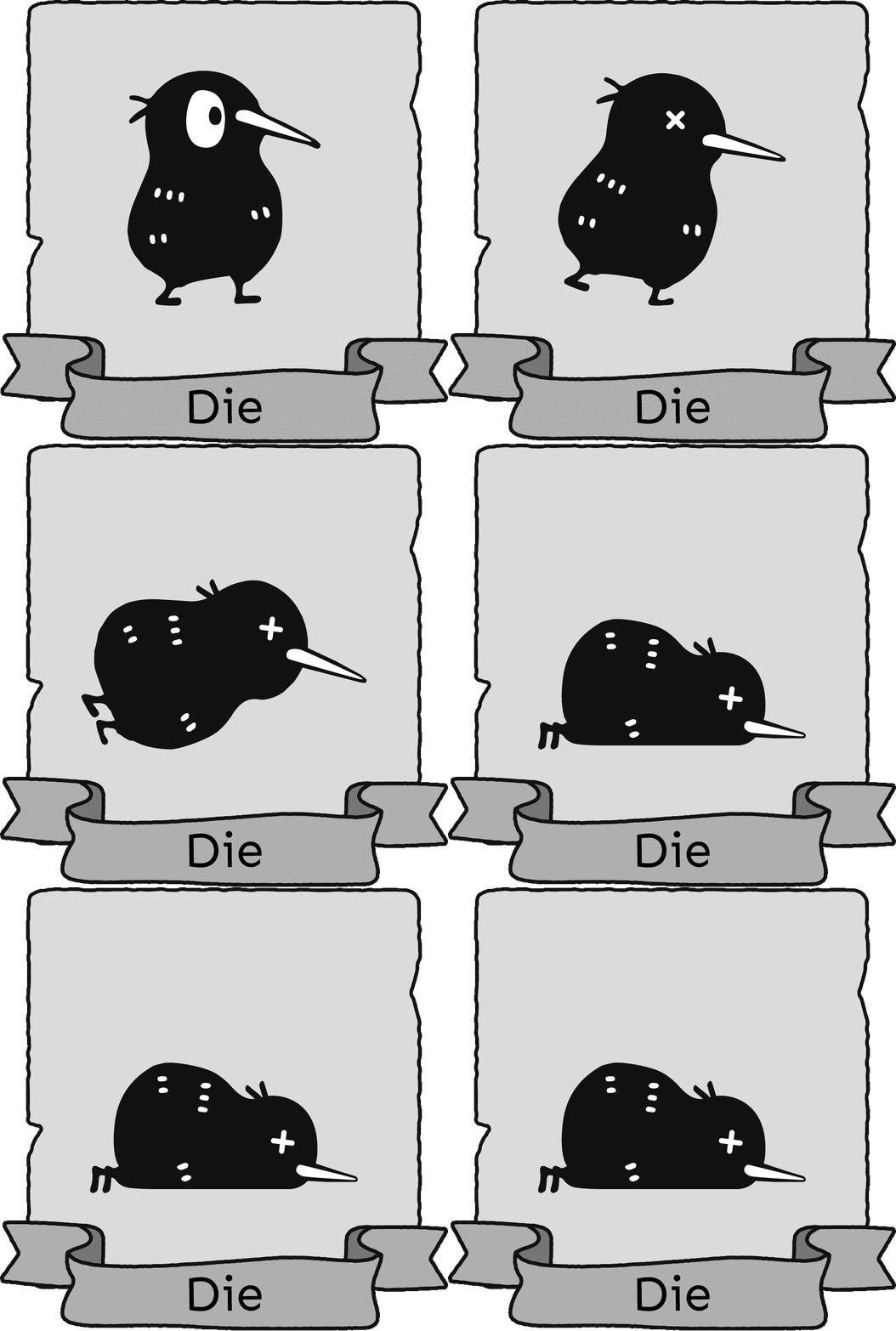

The "die" animation is a crucial visual element used in a game to depict when the main character or an enemy loses all health or encounters a fatal obstacle. This animation signals to the player that the character has been defeated or that the game state has changed due to failure.

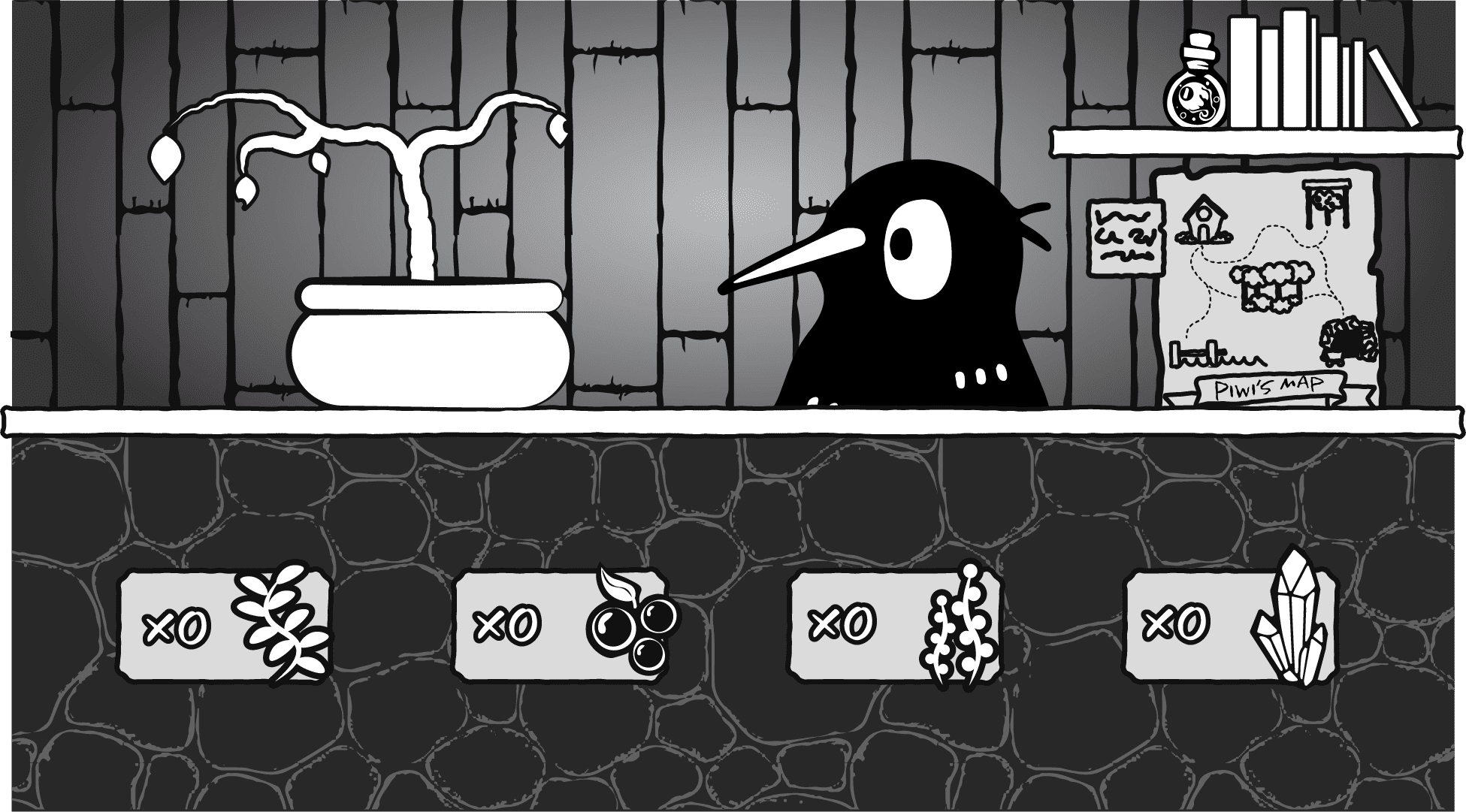
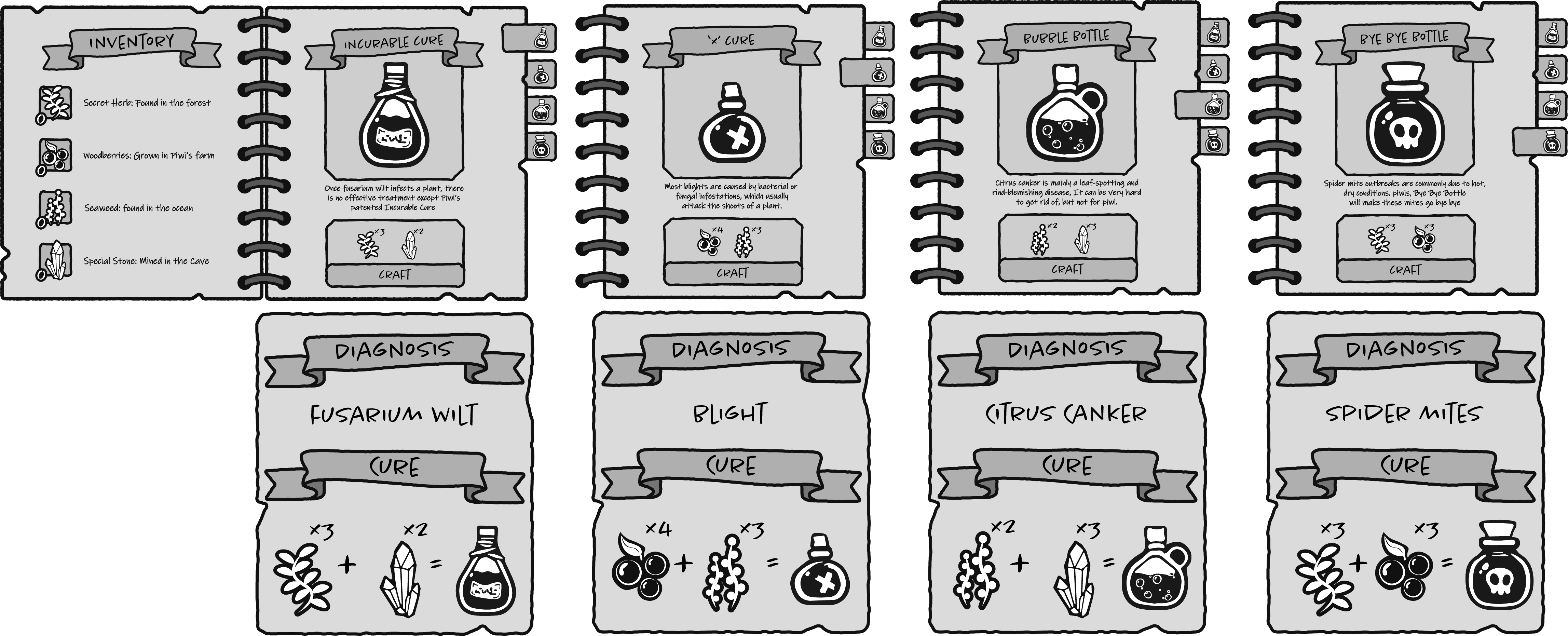
This level is a forest platformer where Piwi, the main character, ventures through the terrain to collect herbs. Piwi must skillfully navigate the area and gather a sufficient number of herbs to complete their mission. However, the path is fraught with danger as poisonous plants, acting as the enemies, lurk throughout the terrain. Piwi must avoid these toxic obstacles to successfully fulfill their task and advance through the level.
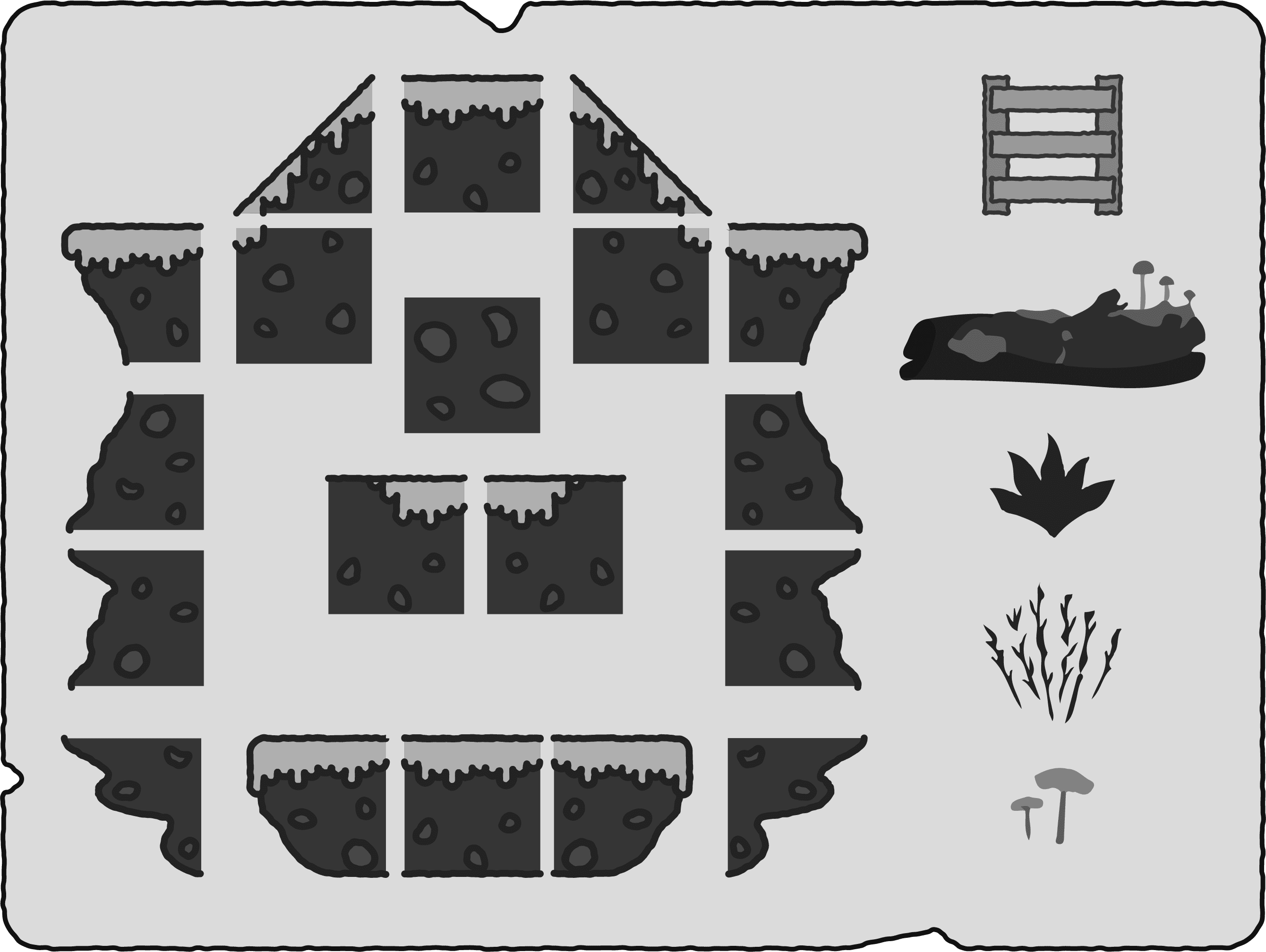
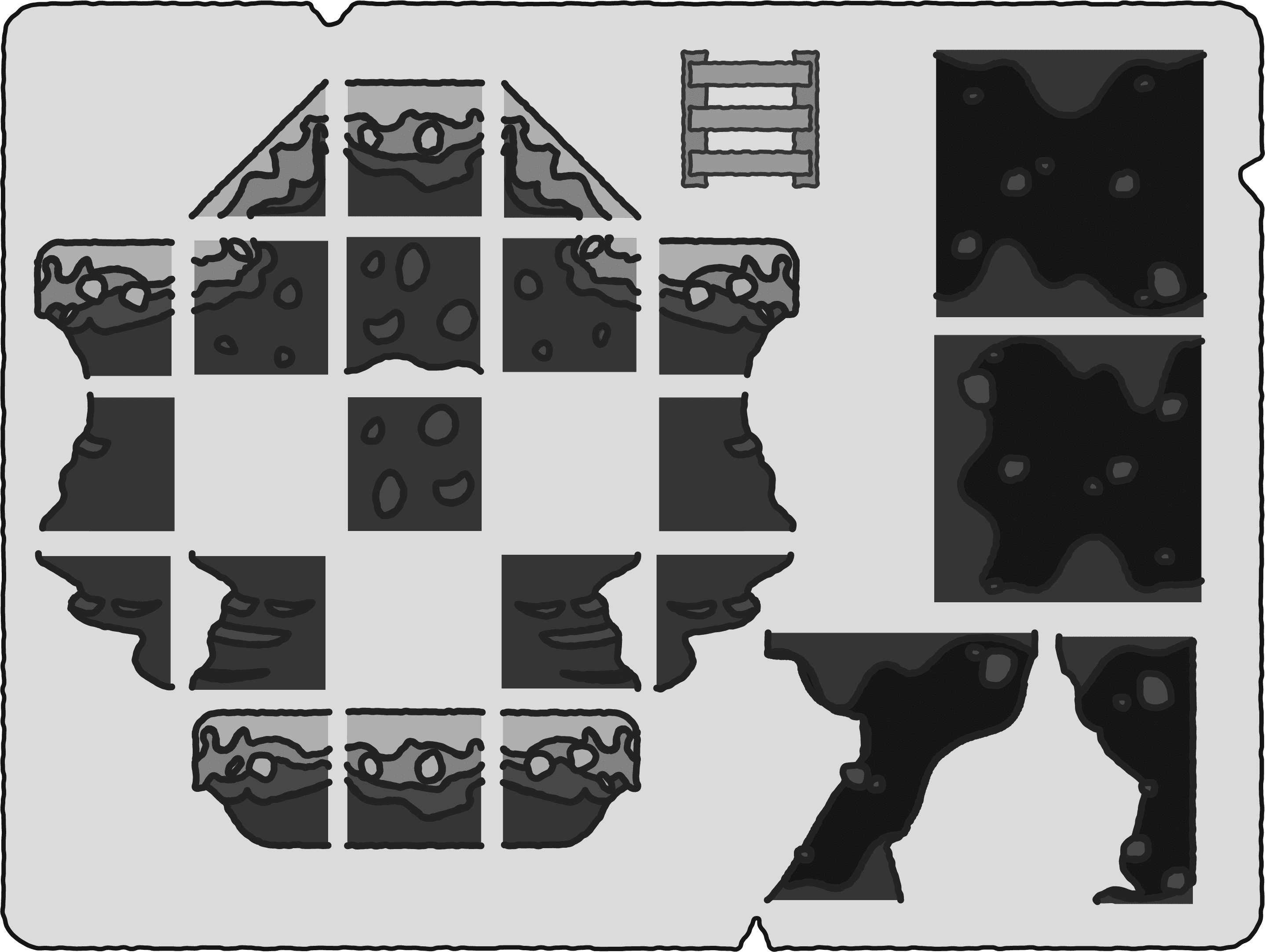
This level is a cave platformer where Piwi must navigate through the darkness to collect hidden crystals. There are no enemies, but the challenge comes from the limited visibility, as Piwi only has a very small light source to guide their way. This faint light barely illuminates the surroundings, so Piwi must rely on careful exploration and intuition to find and collect the crystals needed to complete the level.